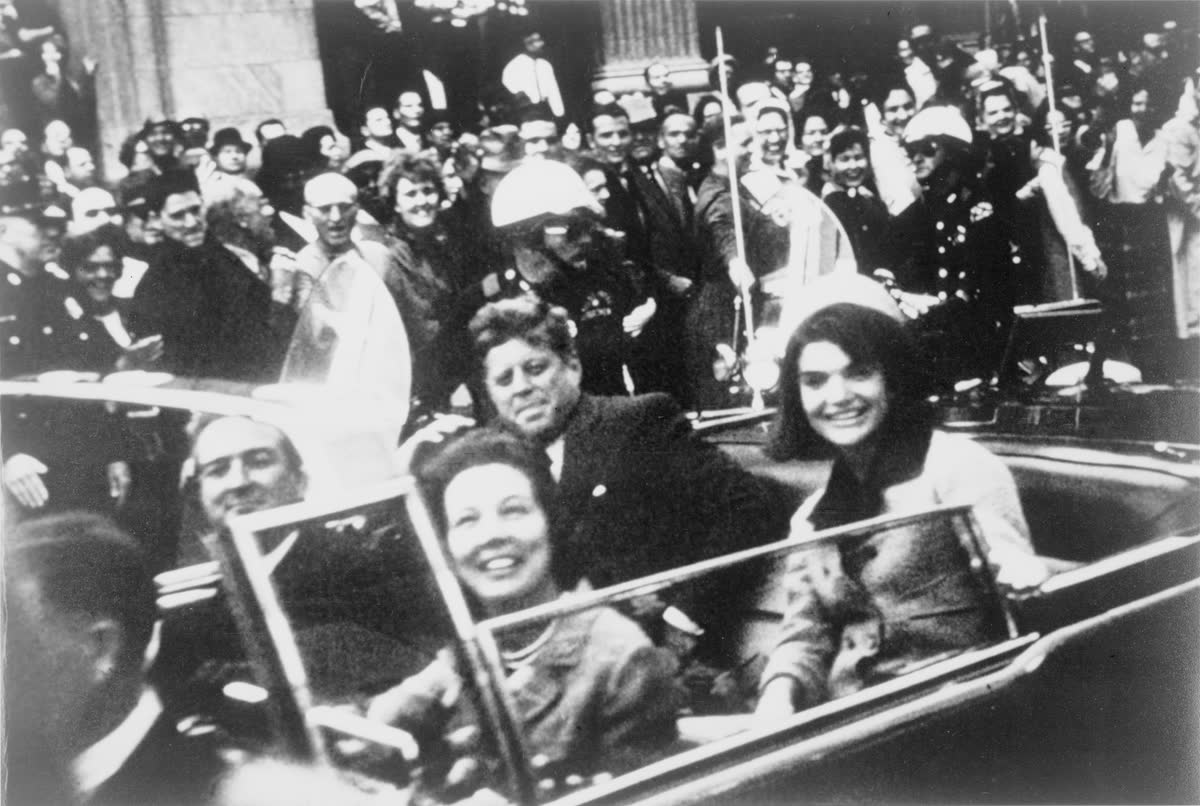
The relationship between John F. Kennedy and the CIA was one of the most combustible in American political history — and it ended in blood.
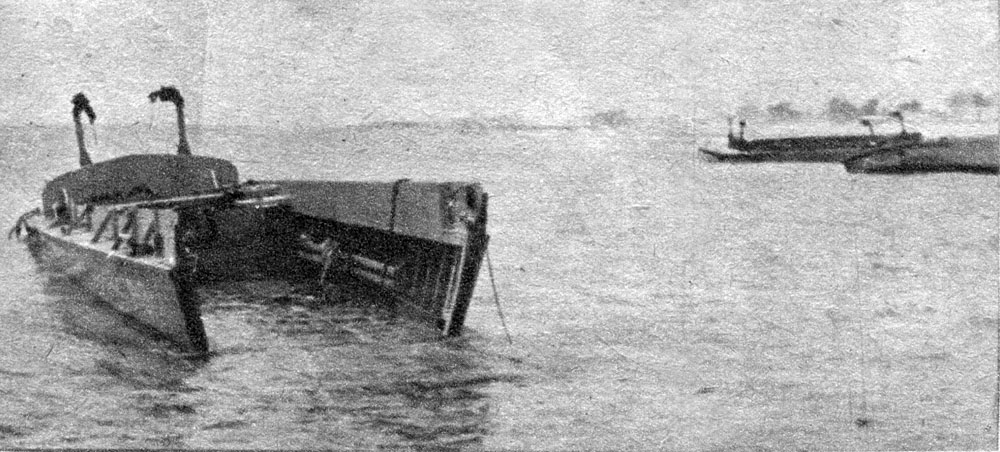
The Bay of Pigs (April 1961): The CIA had trained 1,400 Cuban exiles in Guatemala for an amphibious invasion designed to overthrow Fidel Castro. Planners assumed Kennedy would authorize US air cover if things went wrong. Kennedy refused to commit US forces. The invaders landed at the Bay of Pigs, were surrounded within 72 hours, and surrendered. 1,189 men were captured. Kennedy was publicly humiliated. He privately vowed to "splinter the CIA into a thousand pieces and scatter it to the wind." He fired Allen Dulles.
Operation Mongoose (1961–1962): Under Attorney General Robert Kennedy's furious pressure, the CIA launched a massive effort to destabilize Cuba — sabotage, propaganda, economic warfare, and multiple assassination plots against Castro using Mafia figures Sam Giancana and John Roselli. None succeeded. The plots — and the CIA-Mafia collaboration — were unknown to the American public until the Church Committee revealed them in 1975.
Lee Harvey Oswald had defected to the Soviet Union in 1959, returned to America in 1962, and was active in pro-Castro organizations. The CIA had been monitoring him. Records declassified after decades of legal battles reveal the CIA had opened a file on Oswald years before the assassination — and that certain CIA officers lied to the Warren Commission about what they knew.
The House Select Committee on Assassinations (1979) concluded that Kennedy was "probably assassinated as a result of a conspiracy" — contradicting the Warren Commission's lone-gunman finding. The acoustic evidence it relied on was later disputed. Thousands of classified CIA records related to the assassination were withheld until court orders in 2017–2023 forced partial release. Some files remain classified.
What is documented: The CIA was running six separate plots to kill Castro at the time Kennedy was killed. Several Cuban exile Brigade 2506 veterans — trained by the CIA — were in Dallas that day. CIA counterintelligence chief James Jesus Angleton controlled the Oswald file and repeatedly blocked access to it by other CIA components. He destroyed documents after the assassination. The full picture remains, by design, incomplete.