Before the CIA there was the Office of Strategic Services — the OSS — cobbled together in the desperate months after Pearl Harbor by a larger-than-life Wall Street lawyer named William "Wild Bill" Donovan. With no tradition of centralized intelligence, America was blind. Foreign services laughed. Hitler's Abwehr had decades of tradecraft; the British MI6 had a century. The OSS had Donovan's sheer will.
Donovan recruited from the Ivy League, the bar associations, Hollywood — anywhere he could find people who could lie convincingly in French. At its peak the OSS employed 13,000 people: spies, saboteurs, forgers, radio operators, and scholars. They parachuted into occupied France. They armed Yugoslav Partisans. They ran a vast network of Nazi informants in Switzerland under banker Allen Dulles — the man who would later become the CIA's most powerful director.
The OSS gave birth to Operation Overlord's intelligence picture, helped decode Axis logistics, and — controversially — recruited Nazi scientists and war criminals through Operation Paperclip, granting them new identities in exchange for their expertise in rocketry and chemical weapons. When World War II ended, President Truman dissolved the OSS. It would take two years, a Soviet atomic bomb, and a hot war in Korea before Washington accepted that the secret wars never really ended.
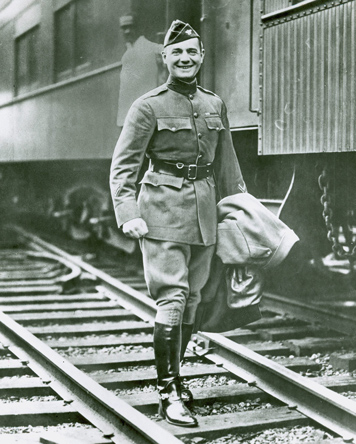
Three-man teams of OSS, SOE, and Free French agents parachuted into occupied France ahead of D-Day to organize resistance fighters, sabotage rail lines, and harass German reinforcements heading toward Normandy.
Allen Dulles, operating from Bern, Switzerland, secretly negotiated the surrender of German forces in Italy with SS General Karl Wolff — bypassing Stalin and planting seeds of Cold War distrust months before V-E Day.
Over 1,600 Nazi scientists, engineers, and intelligence officers brought to the United States under classified cover. Included Werner von Braun (rocketry) and Reinhard Gehlen (Eastern European spy networks). State Dept. and Army withheld Nazi records from review boards.
Dulles's Switzerland network — codenamed "110" — ran 400+ sources inside Germany, including Fritz Kolbe, a Foreign Ministry courier who delivered 1,600 classified German documents. The most productive intelligence source of WWII.
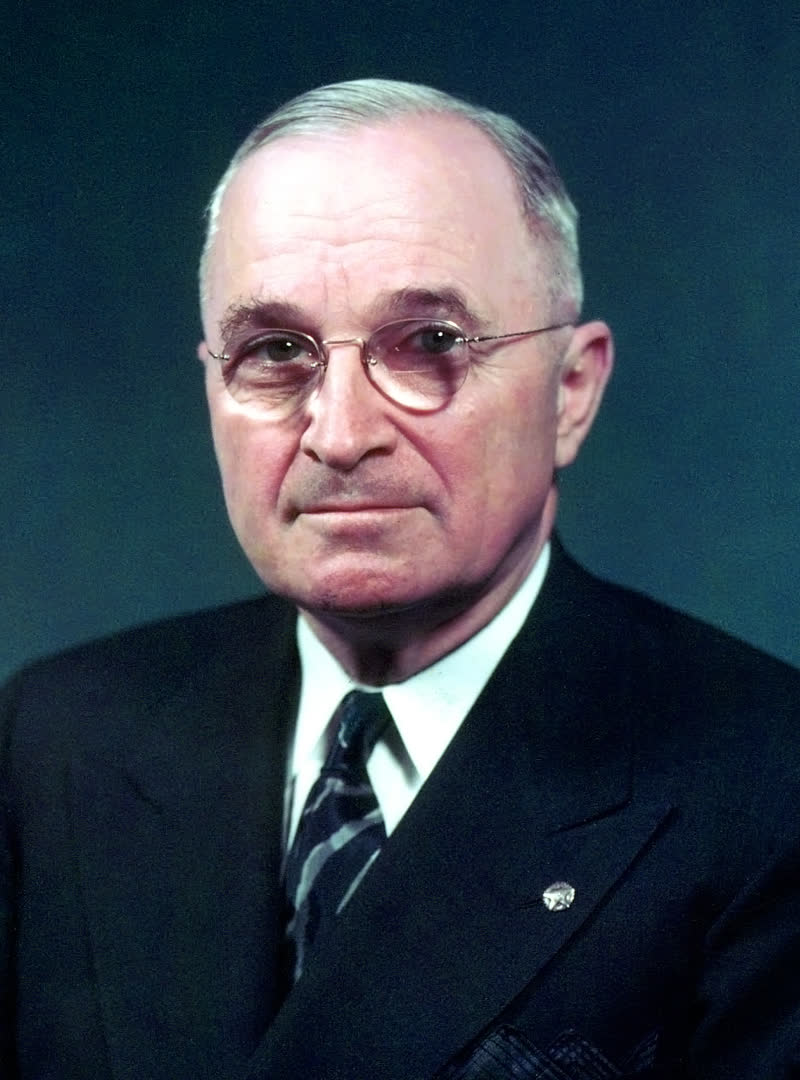
On July 26, 1947, President Harry S. Truman signed the National Security Act, creating the Central Intelligence Agency — a permanent, peacetime spy service answerable only to the President through the new National Security Council. The CIA was built on the bones of the OSS and staffed by many of the same men.
The Act was deliberately vague about what the CIA could do. It was authorized to "correlate and evaluate intelligence" and perform "other functions and duties" as the NSC might direct. That final clause became the legal basis for everything: coups, assassinations, propaganda, and psychological warfare — none of which appeared in the original text.
The first Director, Roscoe Hillenkoetter, was quickly overwhelmed. The CIA failed to predict the Soviet atomic bomb (1949), the Communist takeover of China (1949), or the North Korean invasion of the South (1950). Washington demanded results. General Walter Bedell Smith imposed military discipline as the second DCI. But it was his deputy — the urbane, pipe-smoking Allen Dulles — who would define what the CIA truly became.